
 BUY NOW
Photoacoustic imaging, also known as optoacoustic imaging, is a cutting-edge biomedical technique that combines optical and ultrasonic methods to create high-resolution 3D images with chemical specificity. For researchers and OEM integrators selecting a tunable laser for this application, understanding the laser’s requirements is critical. This article explores photoacoustic imaging and outlines key considerations for choosing the right tunable laser, highlighting RPMC Lasers’ Q-Tune tunable DPSS laser for superior performance.
Understanding Photoacoustic Imaging with Tunable Lasers
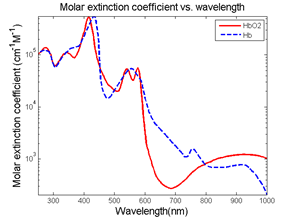
Photoacoustic imaging generates 3D topographical images by using a q-switched laser to create acoustic shock waves through localized tissue heating. Unlike traditional ultrasound, it leverages wavelength-dependent absorption to map specific molecules, such as oxygenated and deoxygenated hemoglobin, enabling detailed imaging of vasculature and tumors. Compared to optical coherence tomography (OCT), photoacoustic imaging offers deeper tissue penetration, making it ideal for non-invasive diagnostics without dyes or biomarkers. A tunable laser, such as an optical parametric oscillator (OPO), is essential for achieving the wavelength flexibility needed for molecular specificity.
Key Considerations for Choosing Tunable Lasers for Photoacoustic Imaging
Selecting a tunable laser for photoacoustic imaging requires balancing wavelength range, pulse characteristics, integration ease, and reliability. Below are the primary factors to consider:
1. Wavelength Tunability for Molecular Specificity
Tunable lasers must cover a broad wavelength range (e.g., 410–2300 nm) to target specific tissue absorption profiles, such as hemoglobin’s near-infrared absorption differences. This enables precise mapping of physiological properties like oxygen saturation.
RPMC Solution: The Q-Tune laser offers tunability from 410 nm to 2300 nm, with an optional extension to 210 nm, ideal for hemoglobin imaging and other biomedical applications.
2. Pulse Characteristics for High-Resolution Imaging
Short pulses (e.g., 5 ns) with sufficient energy (up to 5 mJ) and variable repetition rates (single shot to 100 Hz) ensure efficient photoacoustic signal generation with minimal thermal damage, critical for high-resolution 3D imaging.
RPMC Solution: The Q-Tune laser delivers 5 ns pulses with up to 5 mJ energy at 1–100 Hz, providing the precision needed for photoacoustic imaging.
3. Compact and User-Friendly Integration
Biomedical systems require compact, easy-to-integrate lasers that don’t need external chillers or large power supplies. User-friendly features like automated tuning and self-calibration simplify operation for researchers.
RPMC Solution: The Q-Tune laser is a self-contained, air-cooled system with microprocessor-controlled, hands-free tuning, perfect for lab and OEM integration.
4. Optional Features for Enhanced Performance
Optional extensions, such as fiber coupling and real-time wavelength monitoring, enhance versatility for complex imaging setups, ensuring accurate wavelength selection and beam delivery.
RPMC Solution: The Q-Tune laser offers optional fiber coupling and a miniature spectrometer for real-time wavelength monitoring, supporting advanced photoacoustic imaging needs.
5. Reliability for Biomedical Research
Reliable, high-quality lasers are essential for consistent imaging results in demanding biomedical environments, ensuring long-term performance and repeatability.
RPMC Solution: Manufactured by Quantum Light Instruments, the Q-Tune laser provides robust, reliable performance, backed by RPMC’s expertise and support.
Why Choose RPMC’s Q-Tune for Photoacoustic Imaging?
The Q-Tune tunable DPSS laser is tailored for photoacoustic imaging, offering a 410–2300 nm tuning range (extendable to 210 nm), 5 ns pulses, up to 5 mJ energy, and repetition rates from single shot to 100 Hz. Its compact, air-cooled design with automated tuning simplifies integration into biomedical systems, while optional fiber coupling and wavelength monitoring enhance versatility. Ideal for imaging vasculature, tumors, and other tissues, the Q-Tune delivers the precision and reliability researchers need, supported by RPMC’s partnership with Quantum Light Instruments.
Ready to Select Your Tunable Laser for Photoacoustic Imaging?
Choosing the right tunable laser ensures high-resolution, chemically specific imaging for biomedical applications. RPMC’s Q-Tune laser provides the wavelength flexibility, pulse performance, and ease of use needed for photoacoustic imaging. Contact our team at info@rpmclasers.com or click below to explore your solutions.
Have questions?