
 BUY NOW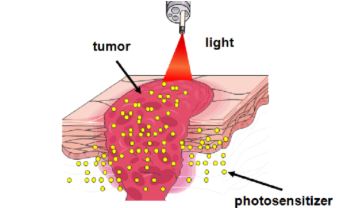
Photodynamic therapy (PDT) revolutionizes cancer treatment by using red laser diodes to activate photosensitizing drugs, offering a non-invasive alternative to surgery or radiation. For Medical & biomedical professionals and OEM integrators, selecting the right laser diode is critical for effective, targeted treatments. This article explores how red laser diodes power PDT and guides you in choosing the ideal solution, spotlighting RPMC Lasers’ LDX-VIS-FC fiber-coupled laser diode for dermal, subdermal, and endoscopic applications.
Red Laser Diodes in PDT: Activating Targeted Treatments
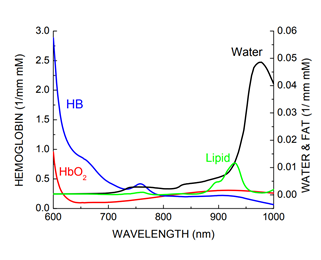
PDT uses laser light to activate photosensitizers—drugs applied topically or injected—that selectively target cancer cells when illuminated. This localized approach minimizes damage to healthy tissue, making PDT ideal for dermal and subdermal tumors, and even endoscopic treatments. Red laser diodes (630–750 nm) are key, as their wavelengths balance deep tissue penetration with effective photosensitizer activation, unlike shorter wavelengths (e.g., UV) that scatter more or near-infrared wavelengths with higher lipid/water absorption. Common photosensitizers, like Photofrin (630 nm) and Verteporfin (690 nm), are optimized for this range, ensuring precise, effective treatments.
PDT Applications and Laser Requirements
Red laser diodes enhance PDT across various applications, each requiring specific laser characteristics to ensure optimal performance.
Targeting Cancer with Precision
PDT treats skin and subsurface tumors by activating photosensitizers in targeted areas, offering outcomes comparable to surgery without invasiveness. The LDX-VIS-FC (630–750 nm, up to 4 W) delivers the precise wavelengths needed for drugs like Photofrin (630 nm) and Foscan (652 nm), ensuring effective activation.
Endoscopic PDT for Internal Tumors
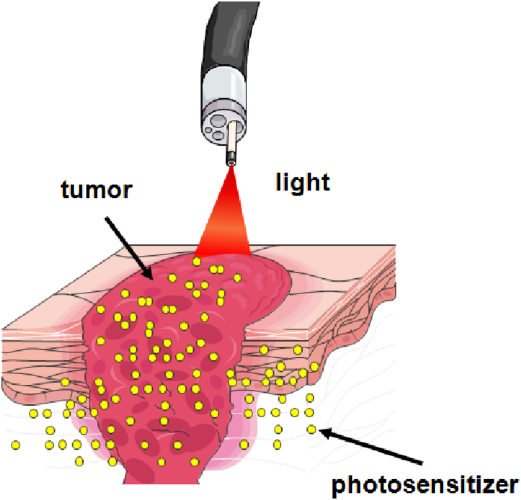
Endoscopic PDT extends treatment to internal tumors, requiring compact, fiber-coupled diodes for precise beam delivery. The LDX-VIS-FC supports fiber sizes (105–365 µm) ideal for endoscopic systems, enabling minimally invasive procedures.
How to Choose the Right Red Laser Diode for PDT
Selecting a red laser diode for PDT involves matching wavelength, power, and integration needs to your application. The LDX-VIS-FC excels with its 630–750 nm range, covering key photosensitizers (e.g., ALA at 635 nm, Lu-tex at 732 nm), and offers up to 4 W for efficient activation without tissue damage. Its fiber-coupled design (105–365 µm fibers) ensures precise delivery in dermal, subdermal, or endoscopic setups, while high slope efficiency and low threshold current enhance reliability. Compact packages (TO cans, butterfly, HHL-FC) and options like TECs, photodiodes, and ruggedization support seamless OEM integration. Made in the USA by LDX Optronics, the LDX-VIS-FC guarantees dependable delivery and long-term performance, ideal for clinical and research environments.
Spotlight: LDX-VIS-FC for PDT Excellence
RPMC Lasers, the exclusive worldwide distributor for LDX Optronics, offers the LDX-VIS-FC, a multimode, fiber-coupled laser diode delivering 630–750 nm wavelengths and up to 4 W output. With customizable packages (9mm SMA, 8-Pin BFC, 2-Pin FCP, HHL-FC) and fiber options (105–365 µm), it supports PDT for cancer treatment and endoscopic applications. Its high efficiency, robust design, and 30+ years of proven reliability make it a top choice for biomedical systems, backed by RPMC’s expert support.
Ready to Power Your PDT System?
The LDX-VIS-FC delivers the precision and reliability needed for photodynamic therapy. Contact our team at info@rpmclasers.com or click below to explore how this laser diode can enhance your cancer treatment solutions.
Have questions?