
Select categoty / subcategory:

Laser Diode Fundamentals: Bandgap Energy and Wavelength

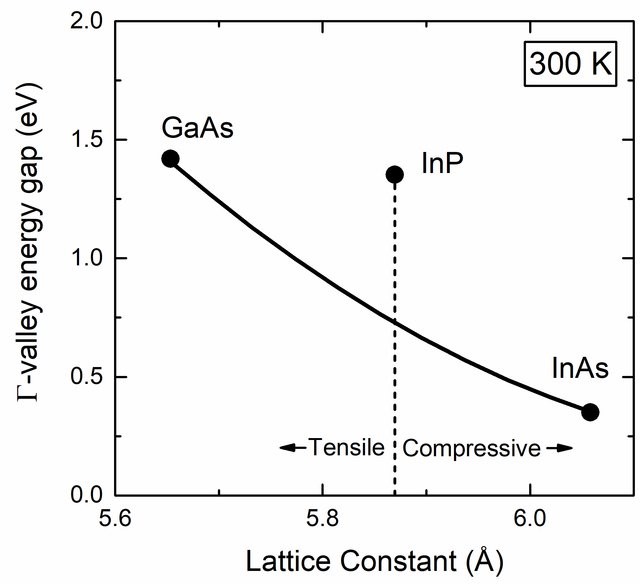
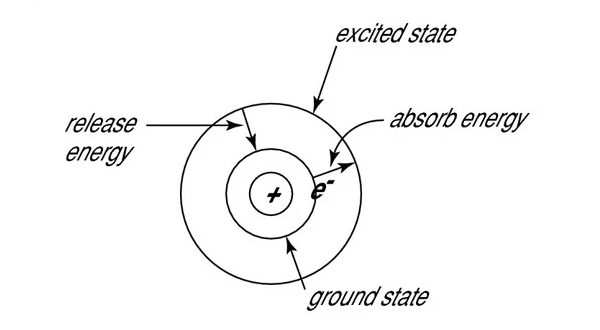
Diode lasers are unique amongst most other laser sources for their extensive range of available wavelengths.   The breadth of output wavelengths has allowed diodes to become one of the most versatile laser sources, with wavelengths available from ultraviolet to the infrared.  To understand why semiconductor diodes have such a wide range of wavelength options, we must first take a look at the underlying physical principles behind energy levels and stimulated… Read More
LIDAR Becoming the Future of Bathymetry

Bathymetry is the study of the underwater depth in oceans, lakes, or seas and is used to generate detailed topographical maps of bodies of water around the world.  While there are several different methods of underwater mapping including sonar, in recent years LIDAR-based bathymetry techniques has become more and more popular.   One of the primary advantages of LIDAR is that it can be performed by a laser mounted on aircraft or drones, enabling aerial surveillance of shallow waters and coastal regions where larger watercraft are not able… Read More

Specifications for Target Imaging

Last year we published a blog post on the subject of combining active imaging and night vision by using time-of-flight (TOF) gated lidar to produce three-dimensional images of a target without the need for visible light.  We will revisit this topic, but instead, focus our attention on the importance of the laser specifications itself as opposed to the underlying principles of the me… Read More

Investment in the Future – Integrated Optics

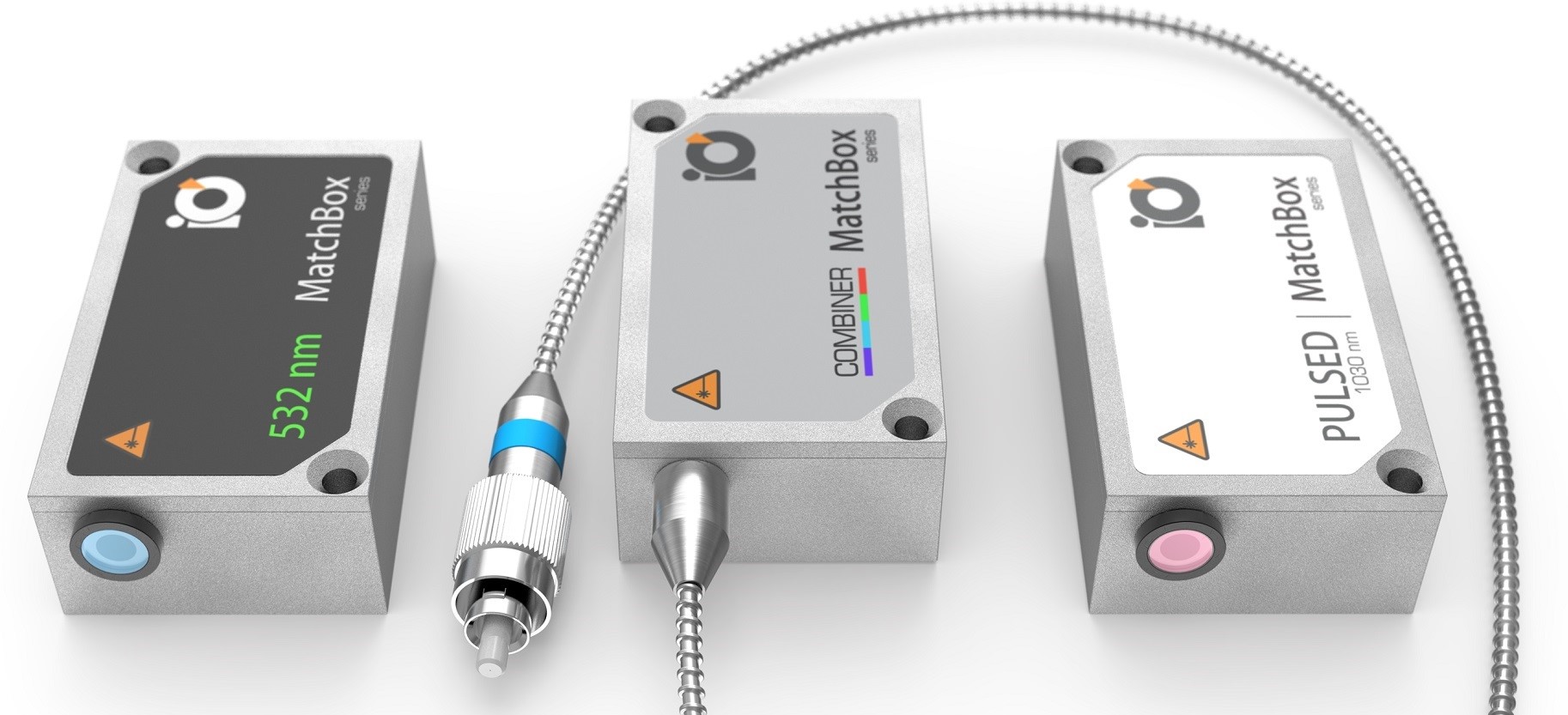
RPMC Lasers, has partnered with Integrated Optics, for several years now, to provide our customers with high-quality compact diode-pumped solid-state (DPSS) and diode laser modules.   In order to meet growing production demands, Integrated Optics recently made a 400,000 Euro (~450,000 USD) investment to update and expand their Industry 4.0-ready manufacturing capabilities.  Integrated Optics, founded in 2012 by Jonas Jonuška and Evaldas Pabrėža, is currently collaborating with the European Union to help fund this expansion and increase their current… Read More

FAQ #1 – Can I operate multiple laser diodes from the same power supply?

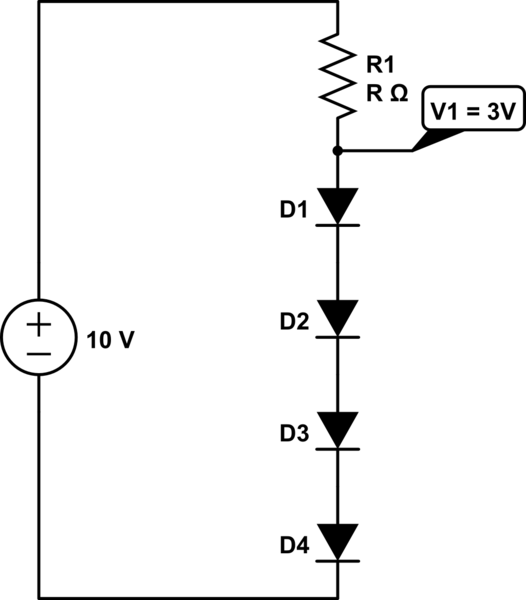
Here at RPMC Lasers, we have over 20 years of experience helping the photonics community with their solid-state laser needs.  Over this time, we have answered a wide range of questions from both end users and system integrators, ranging from application support to laser fundamentals.  Many of the questions we have received over the years have served to influence the topics you have read about on our blog, but for the first time, we are starting a monthly blog series dedicated to frequently asked questions (FAQs) e… Read More

Machine Vision For Inspection

Machine vision is defined as the substitution of the human visual senses and decision-making ability, by image acquisition and computer analysis to perform an inspection task.   This process is most commonly utilized as an active imaging technology to automate inspection and analysis for process control and robot guidance in industrial applications.  As automation has become more and more prevalent in the manufacturing sector, machine vision technology has rapidly grown into one of the largest markets for laser diodes around th… Read More

Laser Diode Fundamentals – Fiber Coupling 2

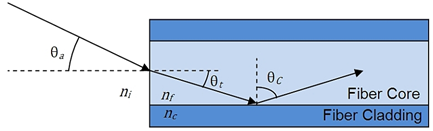
In the last blog post of our laser diode fundamentals series, we discussed the basics of fiber optics concentrating on two key parameters; core diameter and numerical aperture. In this blog post, we are going to turn the discussion to fiber coupling techniques conventionally used in laser diode packaging including butt coupling, ball lens coupling, and intermediate co… Read More

Micromake Machining Laser

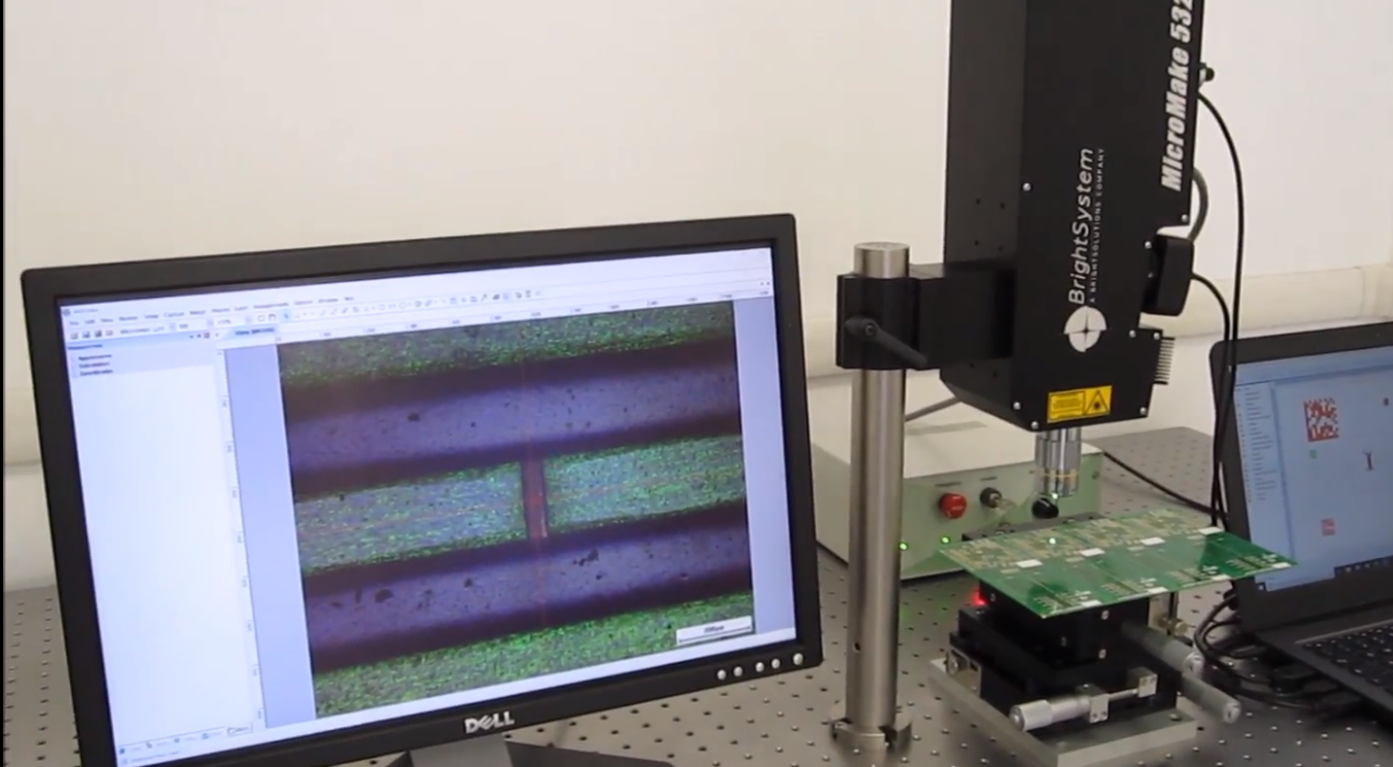
Last fall, we published a blog titled “Micromachining Lasers for Anti-Counterfeiting,” where we explored how laser micromachining can be used to embed microscopic two-dimensional identification codes directly onto the item of interest.   In addition to discussing the fundamentals of micromachining in that blog, we highlighted the MicroMake system from Bright Solutions, including how its short pulse width and high pulse repetition rate facilitate ablation to produce ultra-high-resolution machining… Read More

Laser Diode Fundamentals – Fiber Coupling

While there are countless varieties of fiber optics available on the market today, the two most important factors when discussing how the output of diode laser can be coupled into a fiber are its core size and numerical aperture.  Therefore, in this blog post, we are going to first take a brief look at the physical significance of these two parameters, and why they are so crucial to laser diode coupling. … Read More

The Basics of Microchip Laser Harmonics

Microchip lasers have been around since 1989 when they were first produced at MIT’s Lincoln Labs, but it wasn’t until recently that they have become commonplace in the commercial laser market.  As such, they are still somewhat misunderstood. In this blog, we are going to take some time and explain their functionality and why they are so uniquely suited as compact pulsed laser sources at a wide variety of laser wa… Read More

ER: Glass Lasers for LIBS in Harsh Environments

Laser-induced breakdown spectroscopy (LIBS) is one of the most popular laser based atomic spectroscopy techniques on the market today.  Nowadays, LIBS is rapidly becoming an indispensable tool for elemental analysis and is generally viewed as a complementary technique to other elemental methods such as mass spectrometry.  LIBS has been deployed in a wide range of industrial and scientific applications including on the surface of Mars, where over 200,000 LIBS spectra have been collected aboard of the Mars Science Laboratory Rover … Read More

Flow Cytometry Review

Flow cytometry is a method for simultaneously analyzing multiple physical properties of an individual cell as it flows through a beam of light in a fluid stream, including the cells size and fluorescence.   In practice, flow cytometry is essentially a combination of particle counting and fluorescence spectroscopy.  Since we have written about both of these subjects in depth in the past, this blog will not spend very much time on the fundamentals of these two technologies instead you are recommended to read our previous blog post on Optical Particle Counting and our white paper on  Multi-Color Flu… Read More

Laser Diode Bar Stress

In this application note, we plan to combine these two topics and look at one of the key factors that affects laser diode bar lifetime – stress and strains.  Despite the extreme power output of laser diode bars and stacks, which can exceed 2 kilowatts of power in quasi continuous wave (QCW) operation, the facet coating technology has improved to the point where it can handle intensities well over 20MW/cm2 making catastrophic optical damage (COD) no longer a limiti… Read More

Laser Diode Fundamentals: Single Longitudinal Mode Diodes

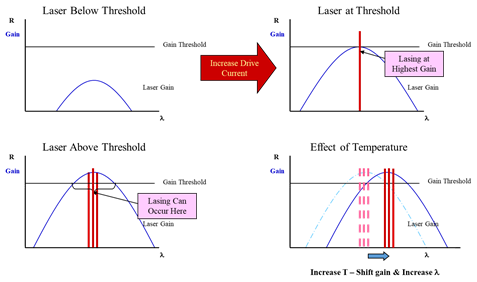
In the last installment of our Laser Diode Fundamentals series, we took a deep dive into the underlying physical properties behind the longitudinal mode structure of laser diodes.  In that blog post, we explained the advantages and disadvantages to both multi-longitudinal mode and single longitudinal mode diode lasers.  We are going to expand on what we learned about single longitudinal mode diodes lasers and take a look at a wide range of stabilization techniques which are used to ensure that a laser maintains single mode performance during its … Read More

Er-YAG 2.94 Micron

Flashlamp pumped pulsed Er:YAG lasers have been widely utilized in dermatology and dentistry as an alternative to CO2 lasers, but historically continuous wave (CW) and quasi-continuous wave (QCW) Er:YAG lasers were problematic due to their unique energy level decay times.   Our friends over at Sheaumann Laser have worked hard over the years to figure out a methodology for overcoming these issues and have since developed a diode-pumped 2.94 micron Er:YAG lasers known as the MirPac series, with a maximum output power of … Read More

Gas Sensing: Using Lasers to Detect Greenhouse Gasses

All gasses have a unique absorption spectrum in the infrared range, due to the allowed vibration and rotation modes which arise from its molecular bond structure.  The various absorption bands which make up this spectrum can vary in both the magnitude of the absorption efficiency and shape allowing them to serve as a molecular fingerprint, to differentiate different gases in … Read More

Diodes for Optical Tweezers

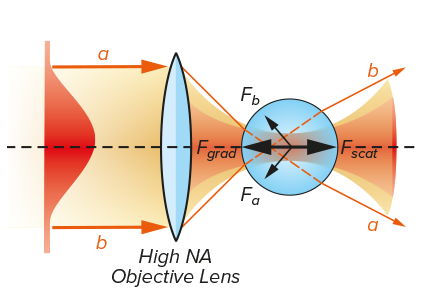
Micromanipulation of sub-millimeter objects is one of the more underappreciated technical challenges in modern scientific research.   To fully understand their properties, objects such as dielectric spheres, viruses, bacteria, living cells, organelles, small metal particles, and even strands of DNA all require precise positioning under a microscope even though they can often only be tens of nanometers in size.  Since these objects are too small to manipulate with a pair of tweezers, a non-contact method needs to be used to trap and then manipulate these … Read More

Diodes for 3D Printing

Additive manufacturing, or as its more commonly referred – 3D printing, has revolutionized manufacturing processes over the past ten years.  This technology which was once reserved for high-end research and prototyping applications is now so commonplace that many elementary and middle schools through the US are utilizing them as part of their STEM curriculums. Regardless of cost or complexity, all additive manufacturing processes consist of four primary stages: 3D modeling, digital data processing, 3D object construction, and post-p… Read More

First Ever Image of a Black Hole in the Center of the M87 Galaxy.

On April 10th, the scientific community was elated at the release of the first-ever image of a black hole in the center of the M87 galaxy in the Virgo Cluster.  By Imaging the photon ring around the black hole shadow and utilizing the Schwarzschild Radius, scientists were able to not only validate the existence of black holes which were predicted by Einstein’s General Theory of Relativity they were also able to accurately measure the mass of the black hole at 6.5 billion times that o… Read More

Optical Particle Counting

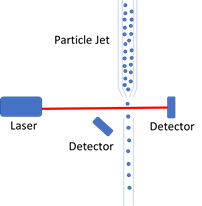
Optical particle counting is widely deployed in cleanrooms around the world as a means for counting and sizing the number of particles in the air.  Most people who have ever worked in a clean room, are familiar with the Federal Standard 209E cleanroom classifications, such as class 10,000, class 1,000, or class 100, with the lower the number corresponding to the cleaner the room.  Where many people have misconceptions is that the classifications are not solely determined by the number of particles in the air but also t… Read More

New White Paper: Single frequency fiber lasers for Doppler Lidar

RPMC is excited to announce our most recent white paper titled “Single Frequency Fiber Lasers for Doppler Lidar.” Doppler lidar takes advantage of the fact that when light interacts with moving object, it experiences a frequency shift. This frequency shift allows you to measure the veloci… Read More

What Laser to use for TOF-MS

Mass spectrometry is an extremely powerful analytical tool for chemical analysis, which is widely utilized in applications ranging from forensics to pharmaceuticals, because of its ability to detect the atomic constituents of an analyte but also determine their relative concentrations.  This process is facilitated by ionizing the sample and then passing it through both an electric and a magnetic field causing them to spread out based upon their at… Read More

New Diode Laser with 275-Watt Output for Laser Material Processing

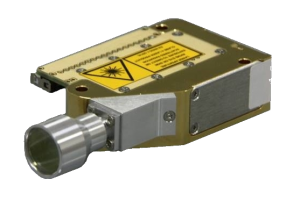
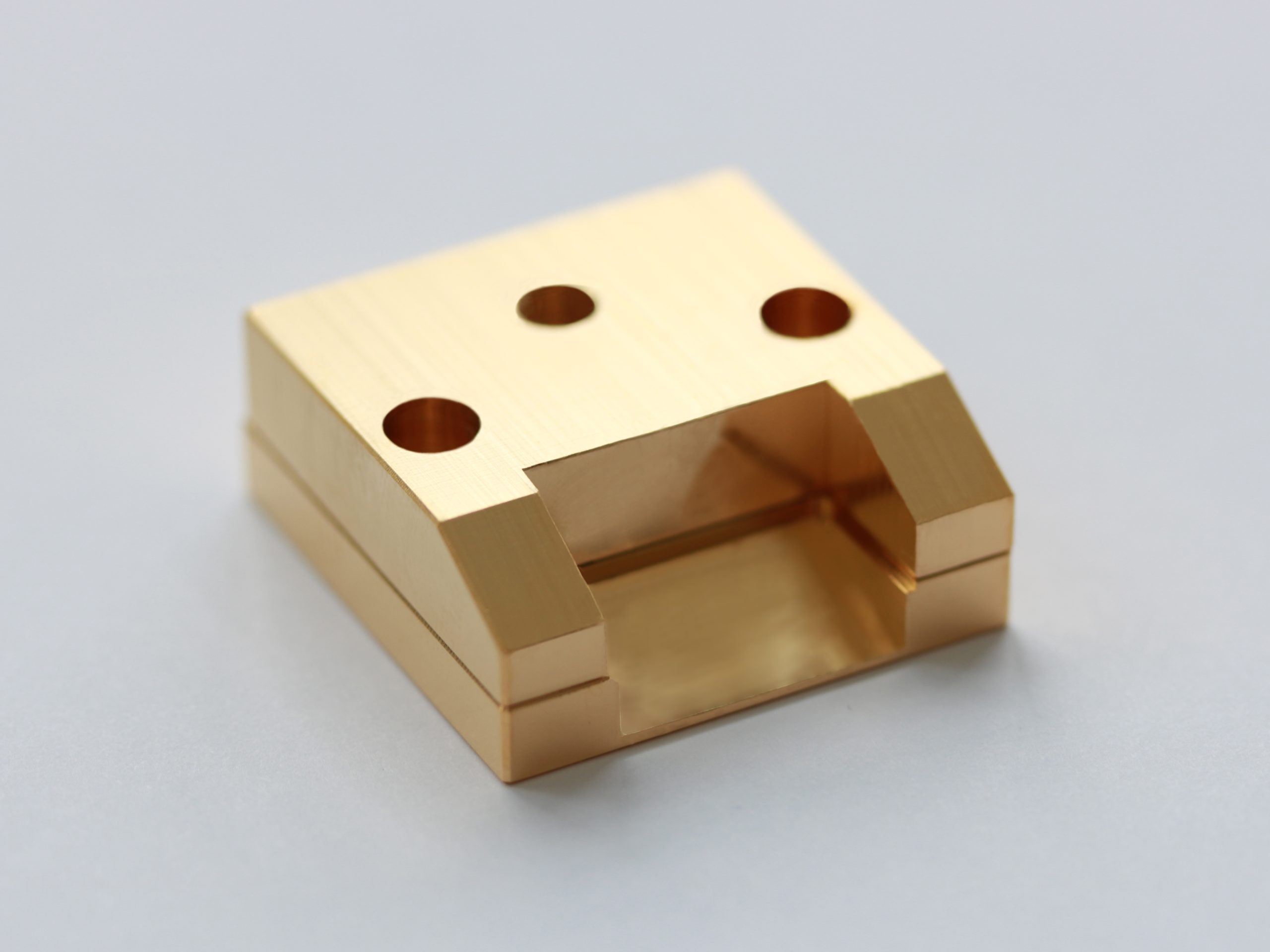
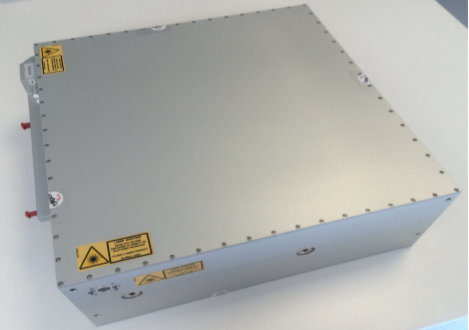
Jenoptik will be presenting its latest development in the field of high-power laser sources for industrial material processing, and in particular for direct diode laser applications. The new diode laser with passive cooling makes quite the impression with its extremely high power output of 275 watts and long service life in both CW and hard pulse app… Read More

100W – 300 ps DPSS Lasers in a compact robust package

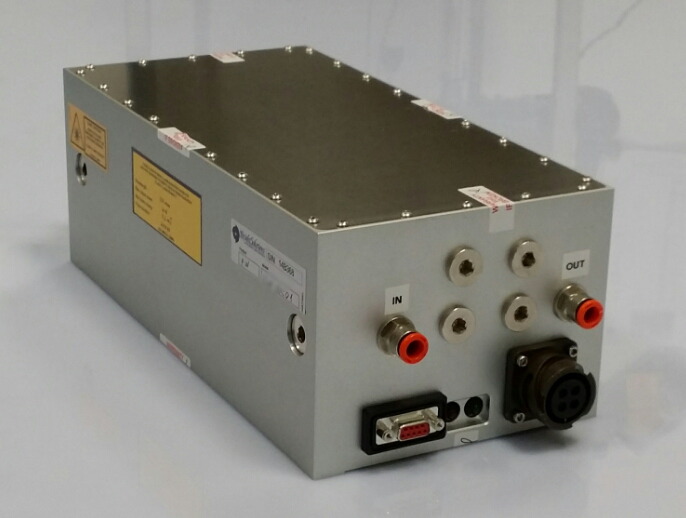
Bright Solutions’ sub-ns DPSS lasers are field proven subsystems for portable lidar sensors. Many successful installations worldwide have confirmed the reliability of these laser sources in land vehicles, as well as airplanes and helicopters. Maintaining the concept of a ruggedized all-in-one IP 67 package, Bright Solutions has now developed several higher power versions, featuring over 100W of average power at 1064 nm, with pulse durations in the range of 300 to 900 ps, and a repetition rate up to … Read More

UV sub-ns DPSS Lasers

After several years of in-house testing and intensive testing in the field for some pilot programs, Bright Solutions is happy to announce their new UV versions of the Wedge Lasers, the industrial sub-ns DPSS laser solution. The Wedge HF and XF offer a pulse width less than 450ps, peak power up to 80 kW, are configurable in several frequency ranges from Single Shot to 200 kHz, and include the low jitt… Read More