
Select categoty / subcategory:

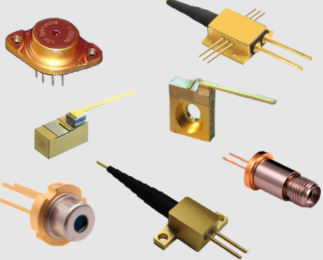
LDX Optronics: High-Power Multimode Laser Diodes for Precision Applications

For over three decades, LDX Optronics has delivered high-power multimode laser diodes, powering cutting-edge applications in Medical, Defense, and Industrial sectors. As RPMC Lasers’ exclusive North American partner, LDX offers an unmatched range of wavelengths (400–1900 nm) and power levels (up to 40 W), with industry-leading packaging expertise. This article explores LDX’s diode solutions, their applications, and how to select the right laser for your needs, spotlighting the LDX Optronics portfolio for superior pe… Read More
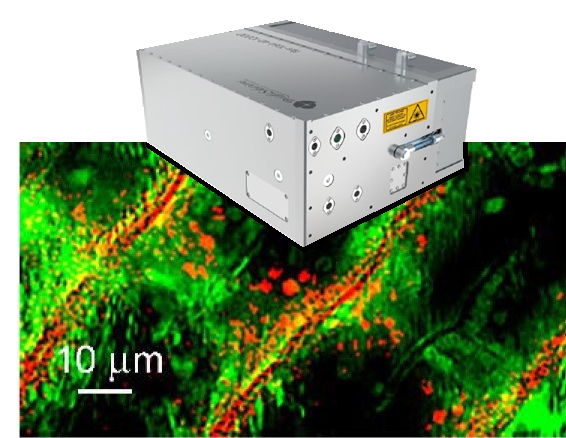
Supercontinuum Lasers for Precision Spectral Imaging

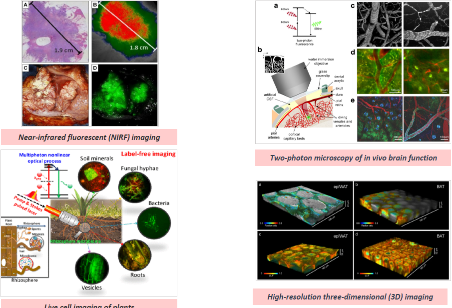
In the realm of spectral imaging, tunable lasers, with their ability to meticulously adjust their output wavelengths, serve as the cornerstone for various spectral imaging applications. From the delicate tissues of a biological specimen to the robust components of industrial machinery, tunable lasers play a key role in identifying the composition of materials and imaging intricate features. This versatility not only enhances the precision of imaging but also expands the horizons of scientific discovery and technological i… Read More

HeNe Lasers: Fundamentals, History & Key Considerations When Selecting

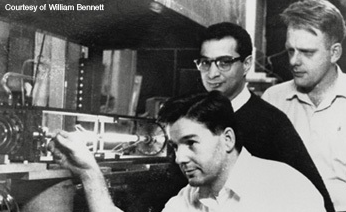
Helium-neon (HeNe) lasers are renowned for their excellent beam quality and reliability in continuous-wave (CW) operation, making them a staple in application like spectroscopy, holography, and interferometry. For professionals selecting a laser source, understanding HeNe laser technolgoy and specifications is key to choosing the right solution. This article explores the fundamentals of HeNe lasers, the history of their development, and critical considerations for selecting the ideal H… Read More

Choosing Passive vs Active Q-Switching Lasers: Solutions for High-Energy Pulsed Applications

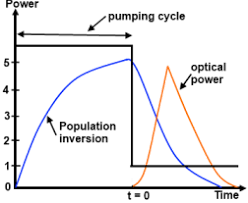
Q-switched lasers are essential for generating high-energy, short-pulse laser outputs in applications like laser machining, LIBS, and Medical procedures. Selecting the right Q-switched laser—active or passive—requires understanding their operational principles and trade-offs. This article briefly explains passive vs active Q-switching lasers and outlines key considerations for choosing the best Q-switched laser, highlighting RPMC Lasers’ solutions for y… Read More

Choosing GaN Laser Diodes for Violet, Blue, and Green Applications

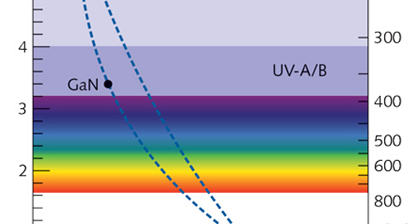
Once thought to be impossible, blue, green and UV laser diodes have now become commonplace.  These lasers are being used in a wide range of applications from blue-ray players to commercial lighting & displays to copper welding.  In this post, we are going to take a look at the underlying material properties of semiconductors, GaN in particular, and how it has led to the development of blue, green and UV las… Read More

Combustion Diagnostics: UCLA’s Quantum Cascade Laser Advancements in OH Radical Sensing

Accurate OH measurements are a growing need in combustion research, but existing sensor architectures are challenging to make economic, compact, and robust. The need for robust OH sensors is amplified in the global effort to decarbonize combustion. Many species, such as CO and CO2, have robust, high-speed laser absorption sensors targeting their fundamental vibrational bands in the mid-infrared; however, certain species like OH do not have a favorable vibrational spectrum, complicating sensing in the mid… Read More

Understanding Peak Power in ns and Sub-ns Lasers

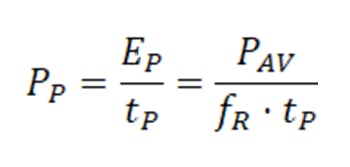
A significant and well-recognized difference between lasers and conventional, incoherent light sources, is the ability to concentrate laser emission in short pulses, with durations going down to a few femtoseconds, containing potentially only a few optical cycles. Technically, you can drive an incoherent LED source using current pulses. However, each pulse would have a maximum power (i.e. a peak power) equal to the average power of the same device if a conti… Read More

Why is a Low Jitter Feature Important in Actively Q-switched DPSS Lasers?

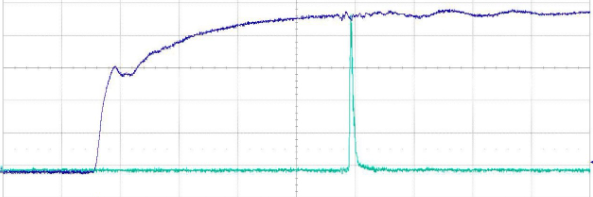
In actively Q-switched lasers, the user controls the pulsed laser output, so that no laser pulse emission occurs without providing a proper input signal, aka “the trigger”. Due to the trigger signal propagation through the interface electronics, the Q-switch driver chain, and the laser resonator build-up time, a time delay (Td) is present between the externally-supplied trigger signal and the actual laser pulse emitted by the laser source. The Td can show fluctuations if any electronics or optics involved in the pulse generation process have a functional varianc… Read More

OEM Fiber Lasers for Industrial Laser Induced Breakdown Spectroscopy

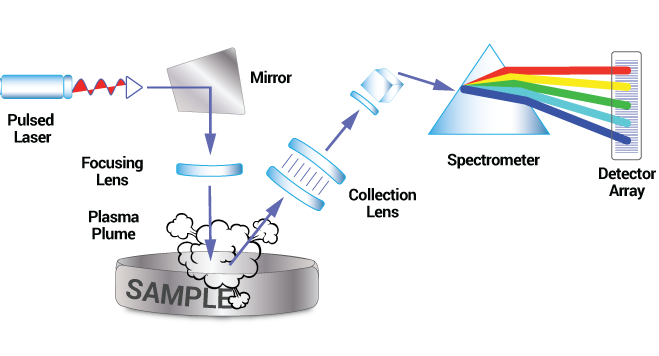
Industrial laser induced breakdown spectroscopy typically involves the elemental analysis of various metals. In our previous application note titled “Laser Induced Breakdown Spectroscopy (LIBS) in Biomedical Applications,” we discussed the fundamentals of the technique, emphasizing the use of q-switched diode-pumped solid-state lasers as the excitation source. In this blog post, we are going to explore the possibility of utilizing nanosecond pulsed fiber lasers as the excitation source. We will also discuss the pros and cons of that approach, specifically for the characterization of metals and metal… Read More

Laser Texturing with Fiber Lasers

Injection molding is a widely used process for rapidly mass-producing low cost highly uniform mechanical parts.  On a cursory level, it is a relatively straight forward process by which molten material (metal, glass, polymer, etc.) is injected into a hollowed-out cavity, cooled down to solidify, and then ejected.  This results in the material being permanently shaped to the internal cavity of the mold.  This process has been around for hundreds if not thousands of years with the original molds being made out of clay and then broken apart to reveal the fini… Read More

HeNe Lasers VS Diode Lasers: HeNe Laser Pros and Cons

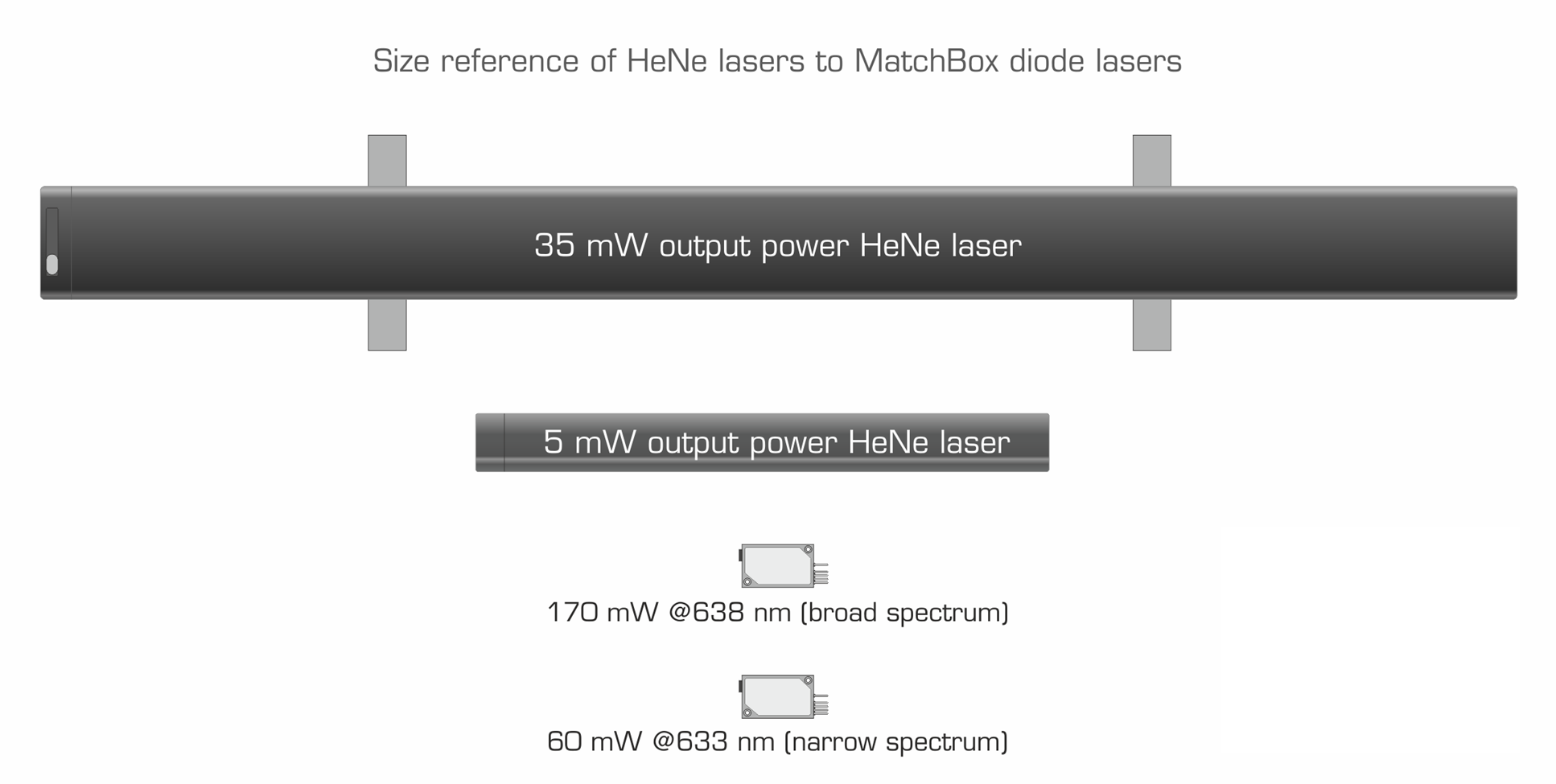
Historically, Helium-Neon (HeNe) lasers were often the first choice for precision instrumentation, measurement setups and some spectroscopy applications. It was invented in 1960 and technologically it was one of the first lasers with extraordinary good parameters. The mechanical and optical design is quite simple (apart from sophisticated glasswork to make the tube itself) but the gas lasing medium and overall construction provide some intrinsic advantages. But also a number of disadv… Read More

MWIR-LWIR QCL Wavelength Range: 10-17um for Molecular Spectroscopy!

Mid-IR molecular spectroscopy is a rapidly developing and promising technique, enabling high-performance chemical detection and analysis for industrial or environmental purposes, with new wavelength ranges becoming commercially available. The essential component for such applications is the laser source, adapted to the specific spectral lines (the fingerprint) of the target molecule. Quantum Cascade Lasers (QCLs) are a perfectly suited solution to build such analysis… Read More

Understanding Laser Diode Lifetime

In October of 2017 RPMC Lasers, published a white paper titled “How to Improve Laser Diode Lifetime! Advice and Precautions on Mounting,” where we went on to describe in great detail the various package types and the best practices for ensuring the laser diode are appropriately heat sunk. In light of extreme interest in this topic, we have decided to expand on this topic with this application note by discussing how electrical, electro-mechanical, environmental, and optical properties also affect the diode … Read More

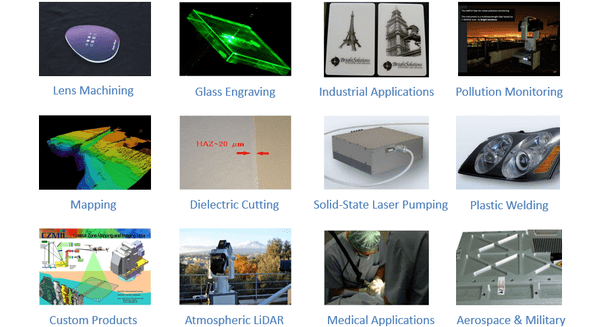
Custom, Integrated System Platforms for Customer-Specific Applications

In business for over 20 years, with nearly 10,000 units fielded to date, the experts at Bright Solutions provide a world-class level of quality, customer care, and service. Their wealth of knowledge in laser engineering and applications experience has led to the development and continuous improvement of multiple series of high-quality custom DP… Read More

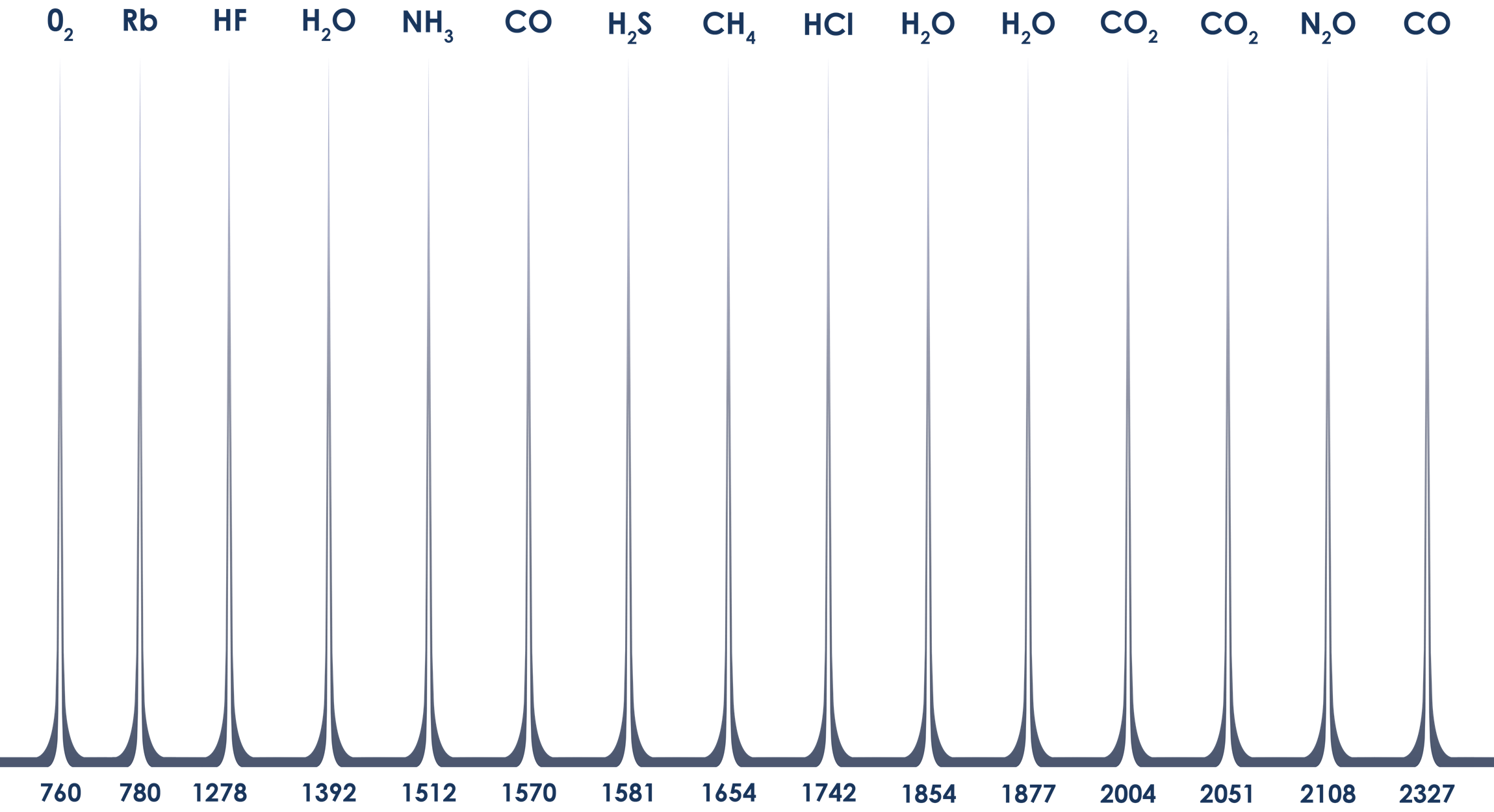
Laser Diodes for Gas Sensing: Mode-Hop-Free Tunability With High SMSR

Single-frequency lasers have long been the cornerstone of standoff gas detection applications, particularly in traditional LIDAR (Light Detection And Ranging), DIAL (Differential Absorption LIDAR), and TDLAS (Tunable Diode Laser Absorption Spectroscopy) applications, where the sample needs to be accurately measured.  More recently, as single-frequency laser diodes have become more common and less expensive, with a larger measurement range and compact size, they are being utilized in more localized and industrial gas sensing app… Read More

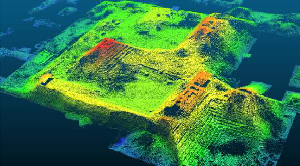
Microchip Lasers: Fully Integrated Modules for LIDAR & 3D Scanning

Microchip laser technology is a perfect option for various LIDAR-based applications, as well as LIBS, spectroscopy, micromachining, and more. Microchip lasers are typically compact and lightweight, allowing for easier and more efficient integration in airborne and portable, handheld applications, and the laser characteristics are in line with LIDAR requirements for collecting … Read More

Replacement Laser for Discontinued Coherent Helios

With the discontinuation of the Coherent Helios laser, some people find themselves having to source a replacement laser before production is stalled. RPMC is here to help alleviate your frustration when trying to source a suitable replacement… Read More

MWIR & LWIR QCLs Enable Efficient & Cost-Effective Material Characterization

In this case study, we explore how Johan Petit, a research engineer at ONERA, overcame the challenges of material characterization in the mid-wave to long-wave infrared spectrum. Faced with budget constraints and the need for specific laser wavelengths, Johan turned to Quantum Cascade Lasers (QCLs) from mirSense. This cost-effective solution not only met his project requirements but also offered room temperature operation and compact, turnkey usability, proving QCLs to be an ideal laser source for such app… Read More

Blue Diode Lasers Enable High-Quality Non-Ferrous Metal Welding

Blue diode lasers have recently become known as an excellent tool for certain processing techniques regarding copper and other non-ferrous and highly reflective metals. Copper, gold, aluminum, and certain other metals absorb blue wavelengths more easily than any other wavelengths of visible or invisible light. This higher rate of absorption allows for both higher quality results and faster processing times, when typically, there is a trade off between quality … Read More

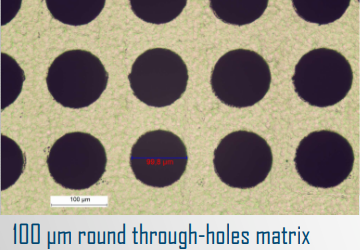
Expert Solutions for Your PCB Processing Applications

In business for over 20 years, with nearly 10,000 units fielded, the experts at Bright Solutions have built a history of success and have gained a vast amount of applications experience. In their modern applications lab, ideal for proof-of-concept testing and sample processing, they provide a host of DPSS laser configurations with a range of wavelengths and power levels, have a dedicated staff with years of application experience, and even offer process developmen… Read More