
Select categoty / subcategory:

Molecular Clock Case Study: Record QCL Frequency Stabilization in Precision Metrology

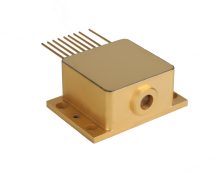
Researchers at the Laboratoire de Physique des Lasers (LPL), part of the Comomet consortium, achieved a world-record by stabilizing mirSense UniMir QCLs (10–17µm) to a relative 10⁻¹⁴ level—sub-Hz precision at 30 THz. This enables ultra-precise spectroscopy of methanol to test proton-to-electron mass ratio variations over cosmic scales, and supports studies of cold chiral molecules (enantiomers), where heavier species benefit from longer wavelengths (>10µm, ideally >15µm) for lower excitation energies and improved me… Read More
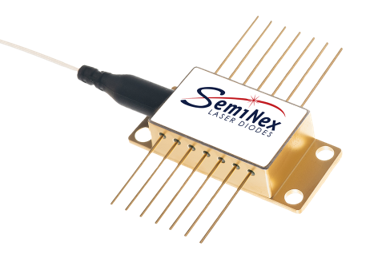
SemiNex Earns Silver Honoree in 2025 Laser Focus World Innovators Awards for High Power Narrow Linewidth ECL Laser Diode

We’re thrilled to congratulate our long-time partner, SemiNex Corporation, on receiving a Silver Honoree in the prestigious 2025 Laser Focus World Innovators Awards! Their groundbreaking High Power Narrow Linewidth External Cavity Laser (ECL) diode stood out for its superior performance, innovative design, and ability to push boundaries in photonics technology—surpassing traditional Distributed Feedback (DFB) lasers in key areas like output power and noise reduction. This award-winning ECL delivers >200 mW fiber-coupled power with an ultra-narrow <3 kHz Lorentzian linewidth, low Relative Intensity Noise (RIN), and exceptional Side Mode Suppression Ratio (SMSR). Built on SemiNex’s proprietary Gain Chips and Semiconductor Optical Amplifiers (SOAs), it offers single-frequency operation in C-band or O-band wavelengths, making it ideal for demanding applications such as: Packaged in a reliable 14-pin butterfly format (with swept-wavelength options available), … Read More

Custom Fiber-Coupled Laser Diodes for Dental OEM Systems

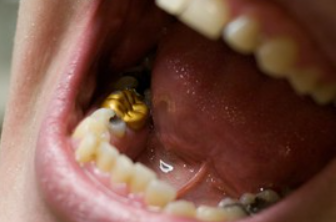
For nearly 30 years, RPMC Lasers and LDX Optronics have partnered to deliver cutting-edge laser diode solutions for the Medical Market, transforming dental systems with customized, high-power diodes. This case study showcases how our collaboration with a leading dental equipment manufacturer revolutionized soft tissue laser systems for periodontal, hygiene, and surgical applications. Explore how RPMC’s expertise and LDX’s packaging innovation can power your next project with the LDX Optronics … Read More

Top Aesthetic Laser Applications: Tattoo, Hair, and Acne Solutions

The Medical Laser Market is booming with a surge of aesthetics laser applications, driven by demand for non-invasive treatments like tattoo removal, hair removal, acne therapy, and various other applications. With over a century of combined expertise, RPMC Lasers partners with professionals to deliver tailored laser solutions for these applications. This article explores how advanced laser diodes and systems power these leading aesthetic treatments, guiding you to the right choice with RPMC’s cutting-edge… Read More

SWIR Laser Diodes for Effective Acne Treatment

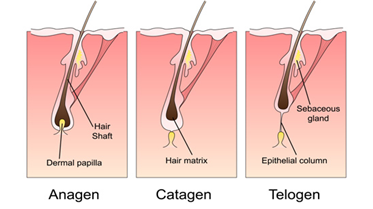
Acne, affecting up to 50 million Americans annually, is the most common skin condition in the U.S., often requiring persistent treatment. Short-wave infrared (SWIR) laser diodes in the 1400–1500 nm range offer a breakthrough by targeting sebaceous glands to reduce oil production, minimizing lesions with minimal side effects. For dermatology professionals and OEM integrators, selecting the right SWIR laser diode is key to delivering effective, FDA-approved acne treatments. This article explores how SWIR diodes power acne therapy and guides you in choosing the ideal solution, spotlighting RPMC Lasers’ SWIR laser diodes for precision and reliability in the Medic… Read More

LDX Optronics: High-Power Multimode Laser Diodes for Precision Applications

For over three decades, LDX Optronics has delivered high-power multimode laser diodes, powering cutting-edge applications in Medical, Defense, and Industrial sectors. As RPMC Lasers’ exclusive North American partner, LDX offers an unmatched range of wavelengths (400–1900 nm) and power levels (up to 40 W), with industry-leading packaging expertise. This article explores LDX’s diode solutions, their applications, and how to select the right laser for your needs, spotlighting the LDX Optronics portfolio for superior pe… Read More

Choosing Infrared Laser Diodes for Dental Crown Troughing

Laser diodes have transformed dental procedures, particularly crown troughing, by offering fast, precise, and bacteria-eliminating solutions. For dental professionals and Medical OEM integrators selecting a laser diode, understanding the requirements for crown troughing is crucial. This article briefly explains the role of laser diodes in dental applications and outlines key considerations for choosing the right infrared laser diode, highlighting RPMC Lasers’ LDX-IR-FC fiber-coupled laser diode for optimal pe… Read More

Red Laser Diodes for Photodynamic Therapy: Precision Cancer Treatment

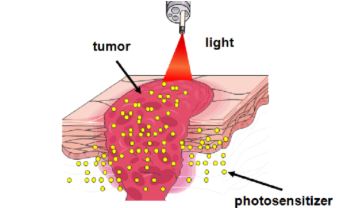
Photodynamic therapy (PDT) revolutionizes cancer treatment by using red laser diodes to activate photosensitizing drugs, offering a non-invasive alternative to surgery or radiation. For Medical & biomedical professionals and OEM integrators, selecting the right laser diode is critical for effective, targeted treatments. This article explores how red laser diodes power PDT and guides you in choosing the ideal solution, spotlighting RPMC Lasers’ LDX-VIS-FC fiber-coupled laser diode for dermal, subdermal, and endoscopic app… Read More

QCW Laser Diode Stacks for Efficient Hair Removal Systems

The global laser hair removal market is booming, projected to reach $2.8 billion by 2028, driven by demand for precise, non-invasive treatments. Laser diodes, holding over 39% market share as of 2020, lead this growth thanks to their efficiency, compact design, and cost-effectiveness. For aesthetic professionals and OEM integrators in the Medical Market, QCW (quasi-continuous-wave) laser diode stacks offer the perfect solution, outperforming traditional flashlamp-pumped systems like Alexandrite and Nd:YAG lasers. This article explores the principles of laser hair removal, why QCW stacks excel, and how to select the right system, spotlighting RPMC Lasers’ JOLD-Stacks for optimal pe… Read More

Choosing GaN Laser Diodes for Violet, Blue, and Green Applications

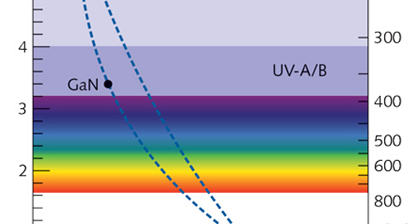
Once thought to be impossible, blue, green and UV laser diodes have now become commonplace.  These lasers are being used in a wide range of applications from blue-ray players to commercial lighting & displays to copper welding.  In this post, we are going to take a look at the underlying material properties of semiconductors, GaN in particular, and how it has led to the development of blue, green and UV las… Read More

Combustion Diagnostics: UCLA’s Quantum Cascade Laser Advancements in OH Radical Sensing

Accurate OH measurements are a growing need in combustion research, but existing sensor architectures are challenging to make economic, compact, and robust. The need for robust OH sensors is amplified in the global effort to decarbonize combustion. Many species, such as CO and CO2, have robust, high-speed laser absorption sensors targeting their fundamental vibrational bands in the mid-infrared; however, certain species like OH do not have a favorable vibrational spectrum, complicating sensing in the mid… Read More

The Influence of Laser Wavelength on Raman Spectroscopy

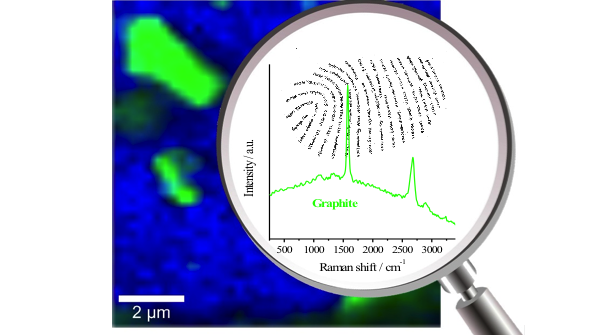
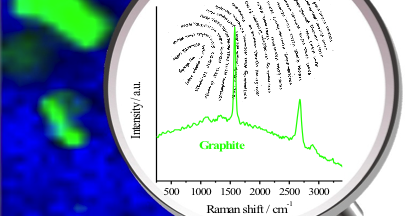
As discussed in previous posts, Raman spectroscopy is a rapidly growing analytical technique used in a wide variety of industries for material identification, but with so many different laser options it can be somewhat challenging to understand which laser is best for which application. To help elevate some of the confusion around this issue, we released an application note this past August titled “Multi-Mode vs. Single-Mode Lasers for Raman Spectr… Read More

Multi-Mode vs Single-Mode Lasers for Raman Spectroscopy

Raman spectroscopy is one of the fastest growing and most diverse applications in all of laser spectroscopy.  As a result, it can be rather challenging at times to sift through the wide-ranging laser options all being marketed for Raman spectroscopy.  In this application note we will tackle one of the most common questions that arises when picking a laser for Raman spectroscopy; “Should I chose a single-spatial mode or multi-spatial mode laser for my application?”  On the surface, this seems like a simple question since Raman is a nonlinear optical effect and therefore the tighter the beam can be focused the higher the conversion efficiency.  Seemingly a single-mode laser would be preferable, but in practice there are other factors that can complicate … Read More

MWIR-LWIR QCL Wavelength Range: 10-17um for Molecular Spectroscopy!

Mid-IR molecular spectroscopy is a rapidly developing and promising technique, enabling high-performance chemical detection and analysis for industrial or environmental purposes, with new wavelength ranges becoming commercially available. The essential component for such applications is the laser source, adapted to the specific spectral lines (the fingerprint) of the target molecule. Quantum Cascade Lasers (QCLs) are a perfectly suited solution to build such analysis… Read More

Laser Diode Fundamentals: What are Longitudinal Modes?

Laser diodes must meet two critical requirements to facilitate the lasing process. The first requires that, at a minimum, the laser cavity’s gain increases to the point that it reaches unity with the level of losses. This unity state is known as the gain threshold. The second requirement is that there must be a longitudinal mode present inside the optical cavity, coinciding with the laser’s gain curve. This article explores precisely what longitudinal modes are and how they affect the laser diode’s pe… Read More

Laser Diode Fundamentals: Diode Gain Threshold

For any laser to function, there must be more gain inside the laser cavity than loss, and the point at which the laser gain is just large enough to overcome the cavity loss enabling lasing is called gain threshold.  While simple, in theory, this concept of gain threshold can be particularly challenging to understand, particularly when it comes to diode lasers.  Therefore, as part of our ongoing blog series expanding on the topics covered in our Lasers 101 section, we are going to explore the concept of laser diode gain threshold in this … Read More

TO-Can Laser Diode Heat Dissipation

When operating a laser diode, proper thermal management is critical to avoid damage. A few key aspects to consider are the generation and dissipation of waste heat, laser diode operating temperature, and proper heatsinking. This article will focus on TO-Can packages, giving consideration to these key aspects and providing useful information for proper thermal m… Read More

Laser Diode Fundamentals: Beam Properties

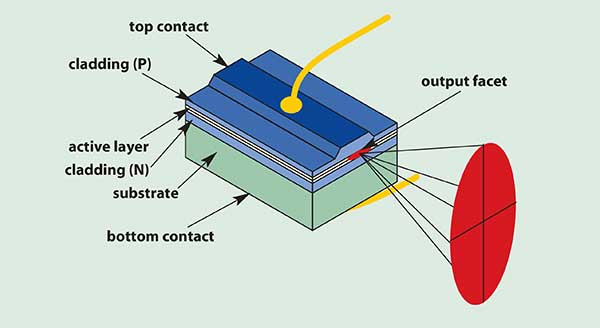
Whether a diode laser is a traditional monolithic design or utilizes an external cavity configuration, the laser light must still propagate through the diode’s PN-junction via a ridge waveguide.   As a result, the beam profile of edge emitting diodes is unique when compared to all laser sources because of the asymmetric geometry of this optical cavity.  This issue often leads to confusion about how to properly integrate open beam laser diodes into yo… Read More

What is Single Longitudinal Mode

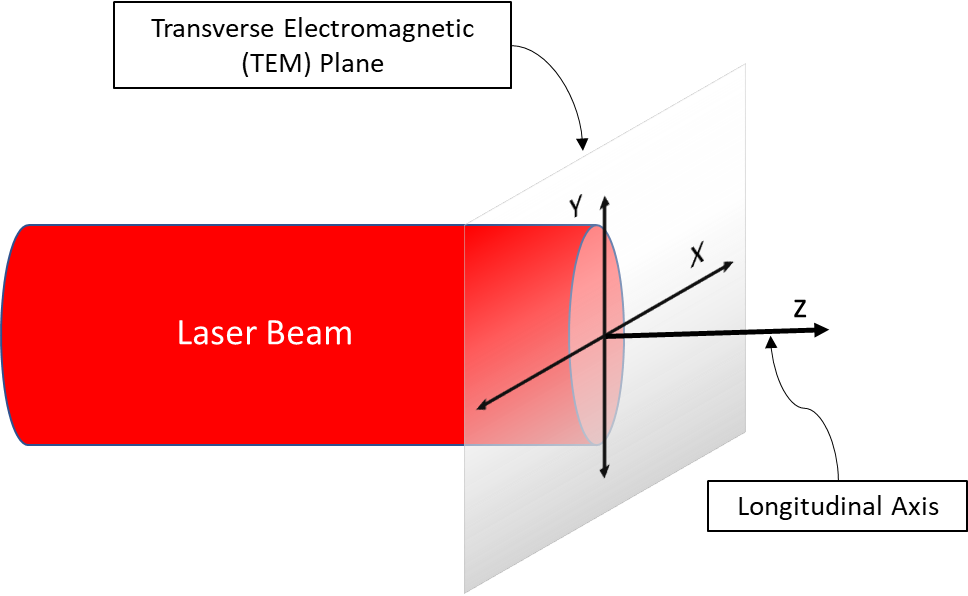
Within the laser community, one of the most overused and often miscommunicated terms is the phrase “single mode.”  This is because a laser beam when traveling through air takes up a three-dimensional volume in space similar to that of a cylinder; and just as with a cylinder, a laser beam can be divided into independent coordinates each with their own mode structure.  For a cylinder we would call these the length and the cross-section, but as shown in the figure below for a laser beam, we define these as the transverse electromagnetic (TEM) plane and the longitud… Read More

Space-Qualified Laser Diodes: Development, Qualification & Acceptance

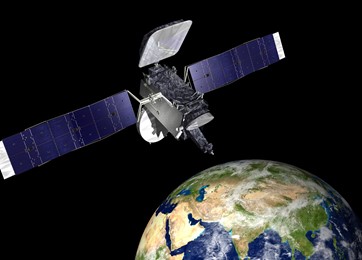
For many years, space applications have steadily increased the utilization of laser diodes for various instruments (mainly pump sources for solid-state lasers). Because of this, organizations have developed qualification methodologies to ensure high levels of quality, performance, and lifetime. In recent years, increasingly complex scientific payloads have required more precise lasers for metrology, calibration, and environmenta… Read More

Understanding Laser Diode Lifetime

In October of 2017 RPMC Lasers, published a white paper titled “How to Improve Laser Diode Lifetime! Advice and Precautions on Mounting,” where we went on to describe in great detail the various package types and the best practices for ensuring the laser diode are appropriately heat sunk. In light of extreme interest in this topic, we have decided to expand on this topic with this application note by discussing how electrical, electro-mechanical, environmental, and optical properties also affect the diode … Read More

New Dual-Wavelength Raman Probe Enhances Flexibility & Throughput

Raman Spectroscopy has become increasingly popular in recent years. With more demand for this application, some companies have strived to make advancements to the associated technology and hardware, in an effort to provide better results, more throughput, increased flexibility, and a reduction in total footprint of these devices. This Raman Probe provides great flexibility with configurable optics and advanced features like dual-wavelength capability using only one spe… Read More

445nm High-Power Diode Lasers for Micro-Welding Applications

Micro-welding is a high-precision welding method employed to fuse minuscule metal parts or features together. Traditionally, this requires a highly skilled specialist, utilizing a variety of skill sets and knowledge of various materials’ properties, taking into account all of the particular considerations involved in such a precise, delicate process. The Ford company first developed micro-welding to solve the problem of welding materials in a vacuum tube with a high melt… Read More