 BUY NOW
 PDT Lasers – Photodynamic Therapy Lasers:
Precision and Versatility in Medical Light-Based Therapies
-
-
-
-
- High Precision for Targeted Cancer Therapy
-
-
-
-
-
-
-
- Versatile Dermatology Solutions for Skin Conditions
-
-
-
-
-
-
-
- Advanced Ophthalmology Applications for Retinal Conditions
-
-
-

Why Choose RPMC for Photodynamic Therapy (PDT) Laser Sources?

High Precision for Targeted Cancer Therapy
-
- Red and NIR wavelengths (630-800nm) for effective activation of photosensitizers
- Enables localized treatment, minimizing damage to surrounding healthy tissue

Versatile Dermatology Solutions for Skin Conditions
-
- Red laser diodes (630-660 nm) for targeting abnormal cells in skin lesions and acne
- Non-invasive or minimally invasive treatments with rapid recovery times

Advanced Ophthalmology Applications for Retinal Conditions
-
- NIR wavelengths (690-800 nm) for selective targeting in age-related macular degeneration
- Enhances precision in treating abnormal retinal blood vessels while preserving vision

Tailored Solutions for Clinical Integration
-
- Customizable for High-Volume Cancer Therapy: Flexible solutions designed for specific cancer treatment needs and efficient clinical workflows
- Versatile Dermatology Configurations: Fiber-coupled and free-space options tailored for seamless use in dermatology practices
- Dependable, Compact Ophthalmology Systems: Consistent, user-friendly designs optimized for long-term reliability and integration in medical settings
Over the last 30 years, RPMC has fielded thousands of lasers, built to endure the toughest conditions, delivering reliable performance from the shop floor to outdoor environments. Designed to withstand humidity, heat, dust, and vibration, these lasers provide consistent output with low maintenance, ensuring your operations run smoothly. With a versatile range of power, energy, and wavelength options, our lasers can be tailored to meet the specific demands of your application, from precision tasks to high-power throughput. We’re not just providing a product—we’re partnering with you to find the perfect solution and support you through every stage of your project, dedicated to helping you achieve long-term success.
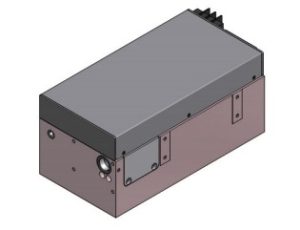
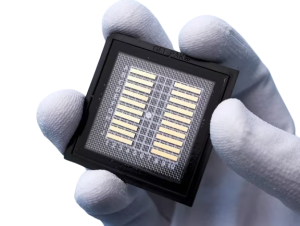
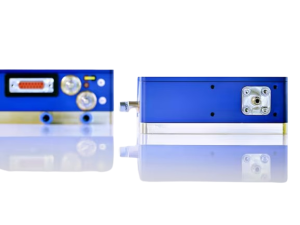
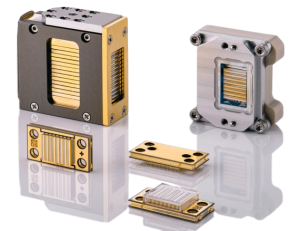
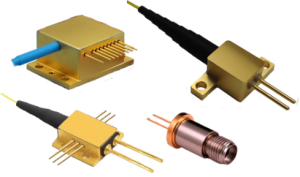
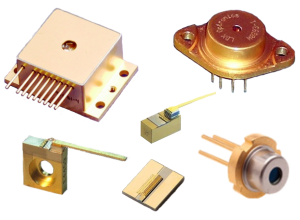
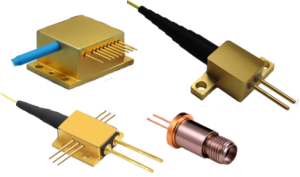
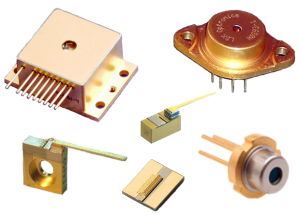
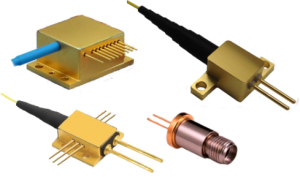
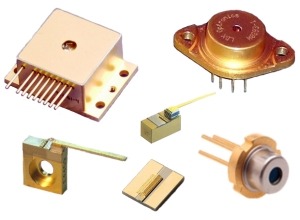
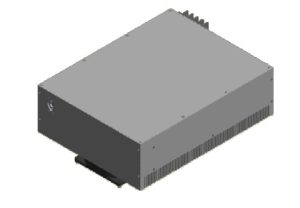
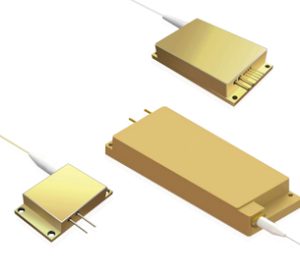
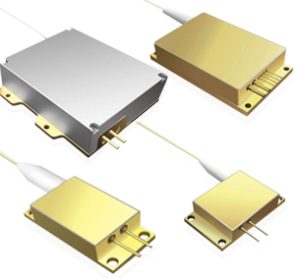
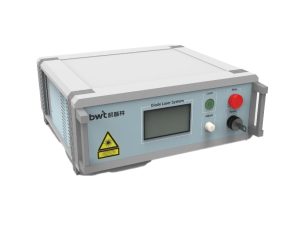
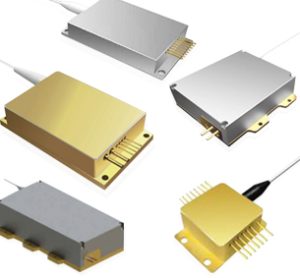
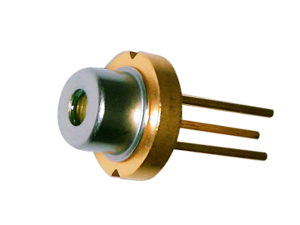
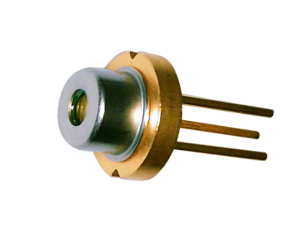
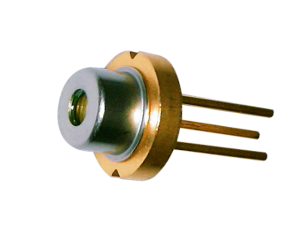
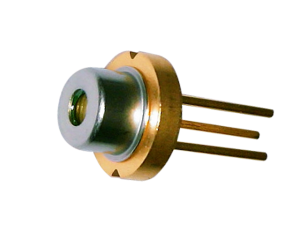
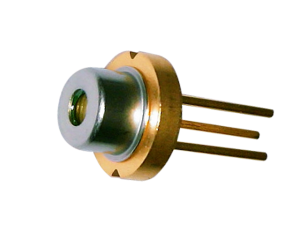
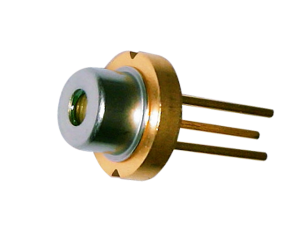
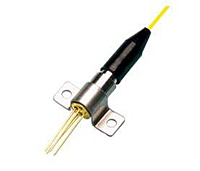
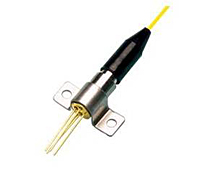
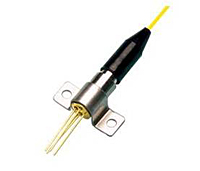
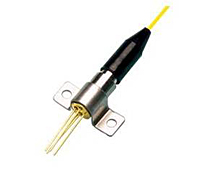
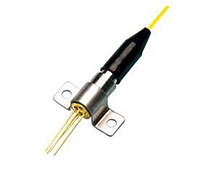
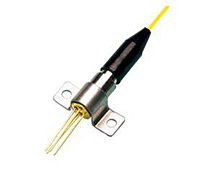
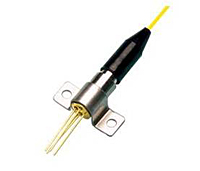
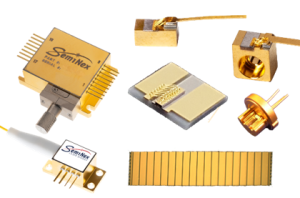
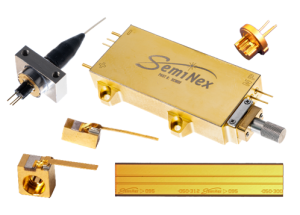
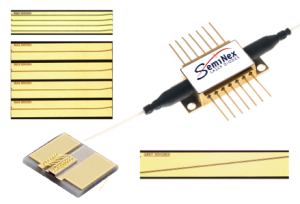
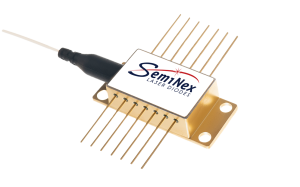
Photodynamic Therapy (PDT) Lasers represent a minimally invasive approach to treating a range of medical conditions, from skin and eye disorders to targeted cancer therapy. Using specialized photosensitizing agents and light activation, PDT lasers enable precision treatment with minimal recovery times. Their targeted energy delivery minimizes harm to healthy tissue and maximizes therapeutic effectiveness, making them a preferred choice in applications across oncology, dermatology, and ophthalmology. With options spanning red to near-infrared wavelengths, both fiber-coupled and free-space PDT lasers are available to meet diverse clinical needs.
PDT Applications
Cancer Treatment: Laser diodes are utilized in cancer treatment to selectively target and destroy cancer cells. The process involves administering a photosensitizing agent that accumulates in cancer cells. When activated by laser light, typically in the range of 630 to 800 nanometers, the photosensitizer generates reactive oxygen species that cause cell death. PDT can be used as a localized treatment for superficial cancers or in combination with other therapies for deeper tumors.
Dermatology: Laser diodes are employed in dermatology to treat various skin conditions, including precancerous lesions, acne, and certain types of skin cancers. The photosensitizer is applied topically or injected systemically, targeting the abnormal cells or lesions. Laser light in the range of 630 to 660 nanometers is then used to activate the photosensitizer, leading to cell destruction or targeted therapy. PDT in dermatology offers a non-invasive or minimally invasive approach with excellent cosmetic outcomes.
Ophthalmology: Laser diodes are used in ophthalmology to treat certain eye conditions, such as age-related macular degeneration (AMD). A photosensitizing agent is injected intravenously and selectively accumulates in abnormal blood vessels in the retina. Laser light in the range of 690 to 800 nanometers is then directed to the target area, activating the photosensitizer and causing closure or destruction of the abnormal vessels. PDT can help preserve vision and slow the progression of AMD.
Let Us Help
With 1000s of fielded units, and over 25 years of experience, providing OEMs, contract manufacturers, and researchers with the best laser solution for their application, our expert team is ready to help! Working with RPMC ensures you are getting trusted advice from our knowledgeable and technical staff on a wide range of laser products. RPMC and our manufacturers are willing and able to provide custom solutions for your unique application.
If you have any questions, or if you would like some assistance please contact us. Furthermore, you can email us at info@rpmclasers.com to talk to a knowledgeable Product Manager.
Check out our Online Store: This page contains In-Stock products and an ever-changing assortment of various types of new lasers at marked-down/discount prices.